
01
Mission discovery
Problem and market discovery done properly: the real TAM, the soft-tissue opportunities competitors are missing, the moats worth building, and the North Star KPI the whole company can steer by.
Six-company cohorts in San Francisco
Most programs start on day one and end at demo day. The Dojo works differently: teams come in and work with the partners to figure out exactly what it takes to build a full-fledged, fast-growing company—then we design and start building the rocket together. The residency puts each company on that path, and the relationship continues dojo-style long after. Six-company cohorts begin every two months in 2026.

Building the rocket together
Teams work with the partners to map exactly what the company needs to become full-fledged and fast-growing, then start building it. Five workstreams every team runs during the residency.
01
Problem and market discovery done properly: the real TAM, the soft-tissue opportunities competitors are missing, the moats worth building, and the North Star KPI the whole company can steer by.
02
Point every part of the company along the same vector. Strategy, product, positioning, and team pull in one direction so effort compounds instead of canceling out.
03
Build the bench the mission requires: advisors who have solved this problem before and the early team that will carry the company well past the residency.
04
Design the capital stack that actually fits the company—venture, lending, and revenue—so each stage of growth is funded with the right money on the right terms.
05
Leave the residency with the venture infrastructure to carry the company all the way to liquidity: maximize value and minimize dilution, financially, strategically, and tactically.
What founders receive
The residency removes practical friction and surrounds each company with experienced people who can help.
Environment
Housing, workspace, and a stipend help founders spend the full two months in a close loop of building, feedback, and momentum.
Mentor access
Founders receive practical feedback, relevant introductions, and context from people with experience building, exiting, and investing in companies.
Studio model
The studio takes 2 percent, works closely with each company during the residency, and may continue supporting strong graduates through syndication.
Founder fit
The Dojo is most useful when a team has credible momentum and a clear next challenge that focused support can unlock.
Traction
The best fit already has revenue, adoption, customer pull, distribution proof, or another credible signal that the company is working.
Impact
The strongest candidates can point to people, systems, or markets that are already better because the company exists.
Scale
The residency is built for founders with a specific product, growth, hiring, positioning, or capital challenge that concentrated support can help unlock.
Tempo
A two-month residency only works if the team is ready for concentrated conversation, rapid iteration, and honest operator feedback.
Partner fit
The best fit is a company where David, Rishi, the advisors, and the Dojo network can offer relevant, practical help.
Backability
Strong residency companies may receive continued support through studio-led syndication after the program.
Kintsu's founder check
The clearest residency conversations begin with evidence, a hard problem, and an honest view of what two concentrated months could change.
Dojo indoctrination
Founders absorb the Dojo's operating discipline: a practical rhythm for sharpening the next move without losing sight of the larger company.
Dojo philosophy
The Dojo brings practical capital connections, experienced people, and operating judgment together around a founder's most important next objective.
How work gets done
Start with a clear vision, state the hypothesis behind the next move, then run the smallest useful experiment that can sharpen the path.
Growth philosophy
Get clear on the next objective, map the simplest credible path, and reduce avoidable friction while the team executes.
Hands-on support
Direct partner time, relevant introductions, and a community that values practical contribution.
Partner time
Founders work directly with the managing partners on the decisions and introductions most relevant to their company.
Network access
The Dojo network has supported companies through capital connections, advisory work, project management, and access to experienced operators.
After the residency
The residency ends; the relationship does not. The studio keeps working with its companies through syndication, advisory support, and the network, all the way to liquidity.
Community outcomes
Selected companies connected to the wider Dojo community.
DTC exit
Native Co is part of the Dojo company story. Its direct-to-consumer personal-care business later sold to Procter & Gamble in a $100M outcome.
(opens in a new tab)Decentralized infrastructure
Akash is part of the Dojo's decentralized infrastructure work and helped establish a decentralized cloud-computing category.
(opens in a new tab)Developer tooling
Scout Monitoring built a distributed application-monitoring platform and later sold to SolarWinds.
(opens in a new tab)Global consumer brand
Linjer grew into a global consumer brand with a significant direct-to-consumer presence across the Pacific Rim.
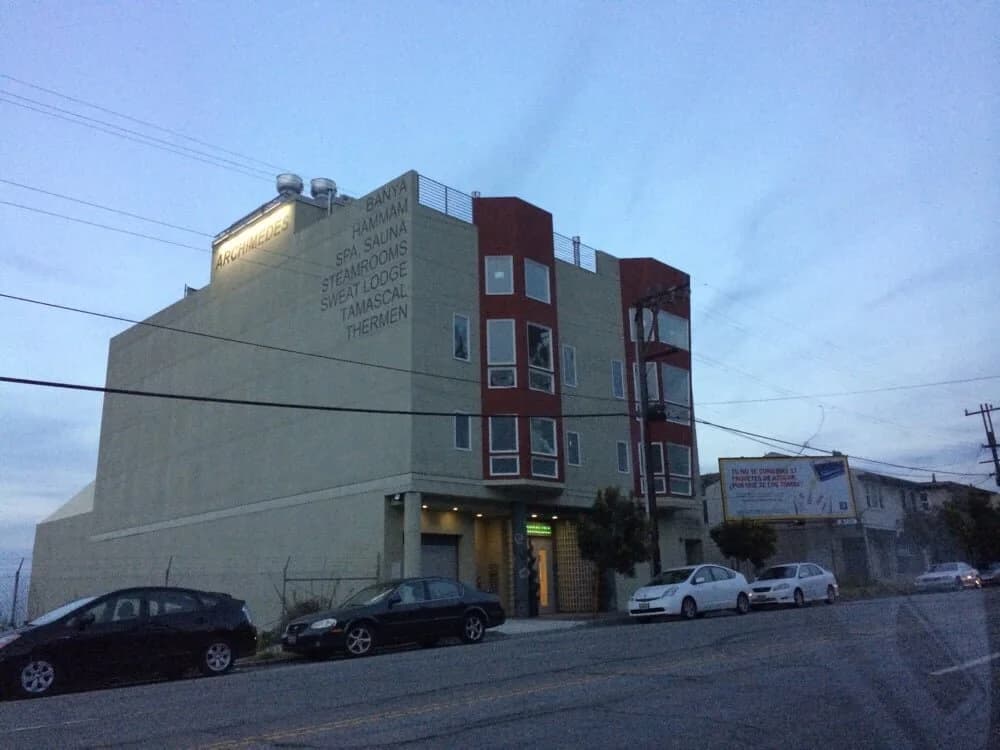
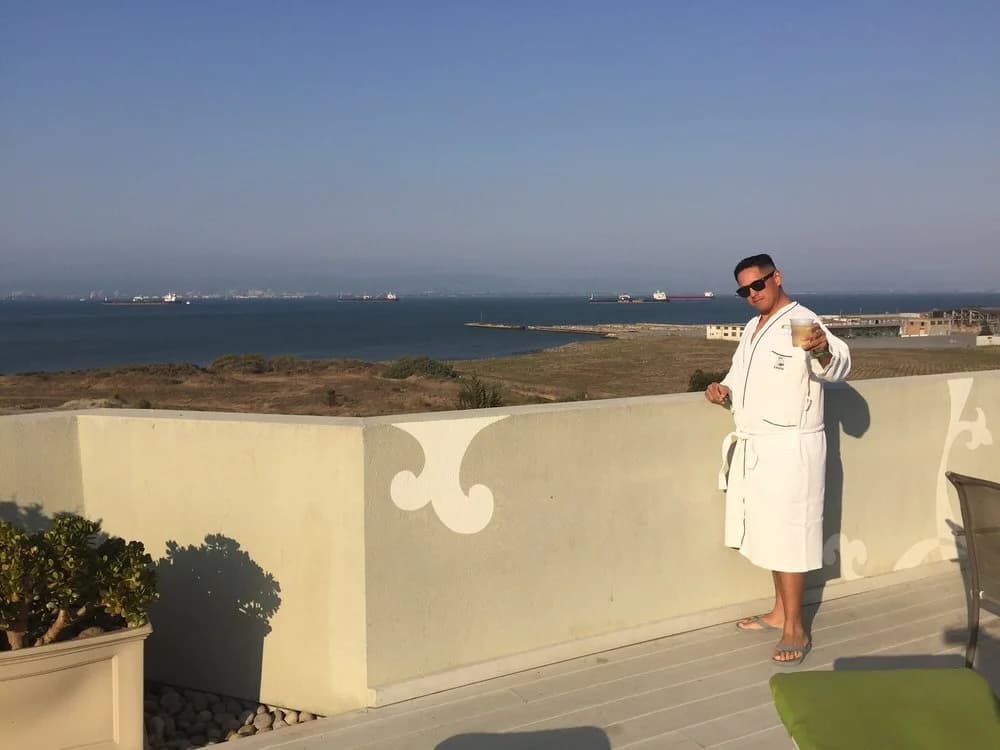
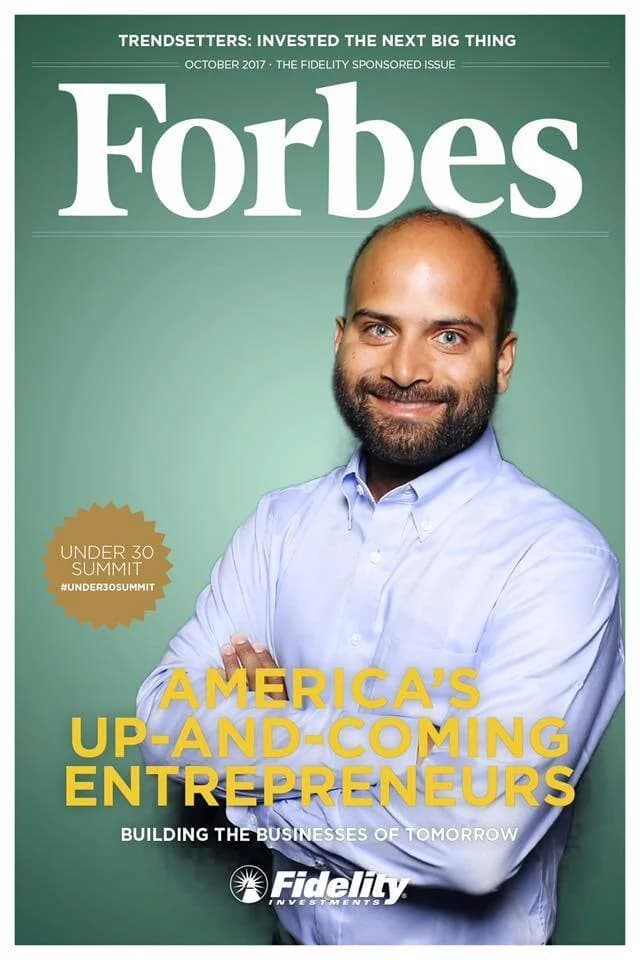
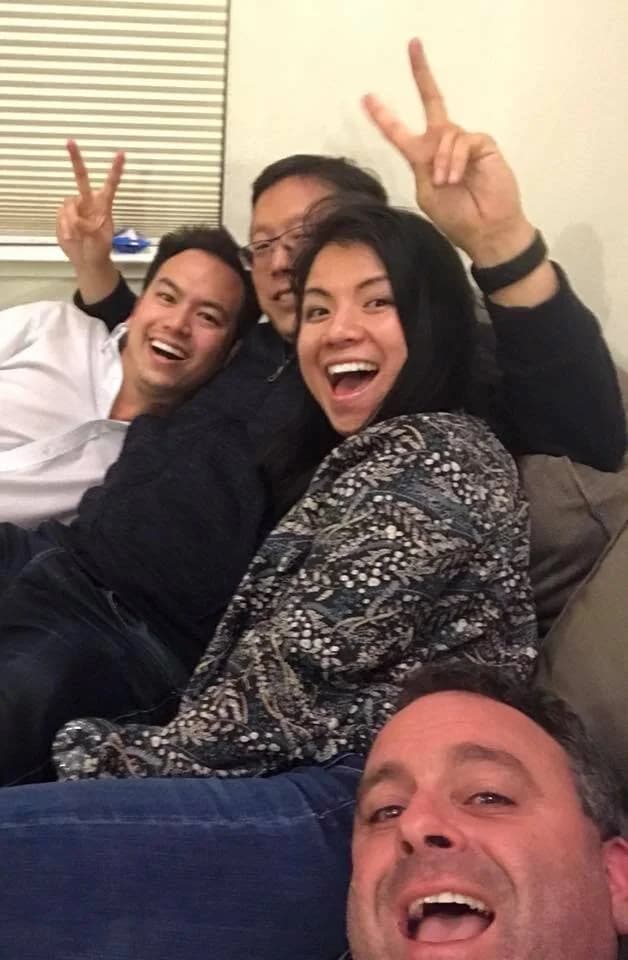
(opens in a new tab)Inside the San Francisco Dojo
Workspace, community moments, and the city around the program.

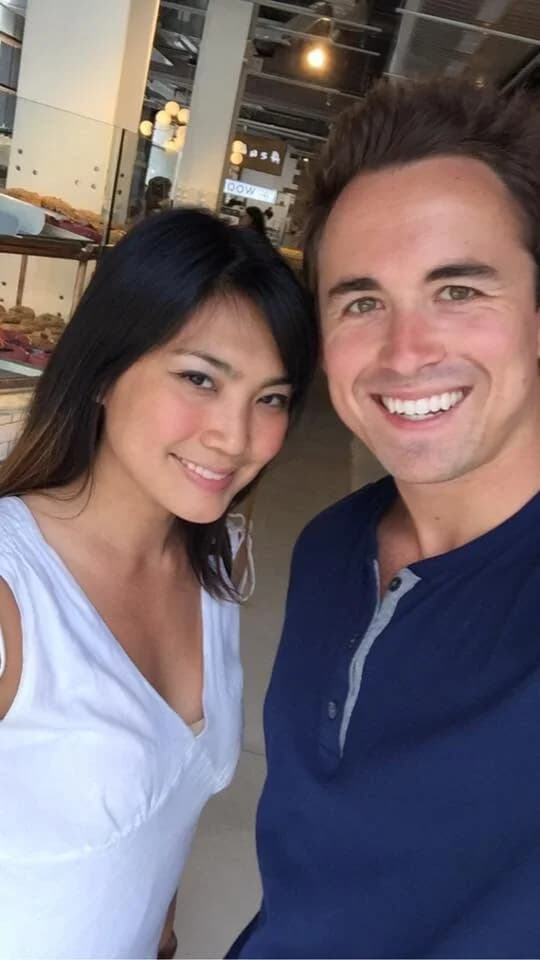
Small cohort, real attention
The cohort stays intentionally small so each team can design the whole company with the partners—mission, talent, and capital—built to maximize value and minimize dilution, then stay connected dojo-style for the journey after.